Now Reading: Row over proposed dam restrictions in SA
-
01
Row over proposed dam restrictions in SA

Row over proposed dam restrictions in SA
by TINTSWALO BALOYI
JOHANNESBURG – SOUTH African communities, political parties and members of the public have expressed concern over proposed government dam regulations they say could undermine economic livelihoods for communities living alongside dams.
Leading the criticism is the Democratic Alliance (DA), which has called on affected communities to oppose the Department of Water and Sanitation’s proposed regulations, arguing that they threaten long-established economic activities around dams across the country.
National Council of Provinces (NCOP) Spokesperson on Water and Sanitation, Dr Igor Scheurkogel, said the draft regulations would restrict access to dams unless formal leases are in place.
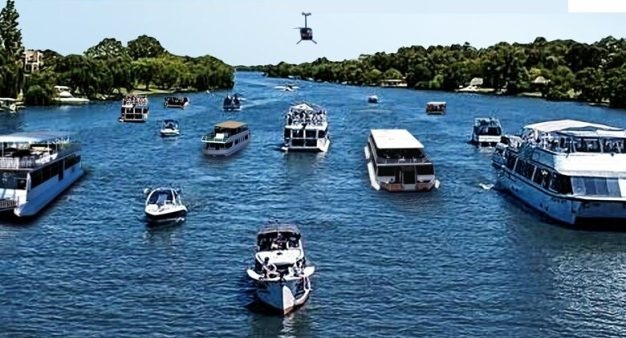
He warned that, if implemented, the regulations could affect all forms of business activity near dam areas, including small enterprises such as fishing tackle shops, tourism operators and informal traders who rely on visitor traffic generated by dam-based recreation.
Scheurkogel further noted that the proposals appear to classify certain activities, including photography, as restricted unless multiple agreements are concluded with the Department of Water and Sanitation, raising concerns about excessive administrative barriers.
He said thousands of people depend on tourism and recreational activities around state dams and warned that the regulations could stifle local economic development if not revised.
The Department has invited public objections to the proposed “management and control of government waterworks and surrounding state-owned land” regulations, with the deadline set for Wednesday, 15 April 2026.
The DA has urged residents, clubs and businesses to formally submit objections, encouraging broad participation in the consultation process through written submissions to the Department or via email.
Scheurkogel said the party would continue to advocate for regulatory reforms that balance environmental management with economic opportunity, particularly for communities whose livelihoods are closely tied to dam-based tourism and trade.
Beyond the immediate debate, experts and stakeholders have long emphasised that water bodies such as dams can play a transformative role in local economic development when managed inclusively.
Allowing responsible public access to these areas can stimulate tourism and hospitality industries, creating opportunities for boat operators, guesthouse owners, tour guides, craft vendors and small-scale entrepreneurs.
Such economic activity can help reduce poverty in surrounding communities by generating sustainable income streams linked to recreation, eco-tourism and local cultural experiences.
When properly regulated, dam-based tourism can also encourage environmental stewardship among communities, ensuring that natural resources are protected while still contributing to economic growth.
Critics argue that overly restrictive access policies risk excluding communities from assets that are geographically part of their daily lives, potentially limiting both social and economic development opportunities.
The DA maintains that South Africans are empowered through employment and that policies should prioritise job creation and inclusive economic participation.
It says it will continue to oppose measures it believes could hinder growth in communities that have historically depended on dam-related economic activity.
– CAJ News