Now Reading: Brazil: South America’s tourism gem
-
01
Brazil: South America’s tourism gem
Brazil: South America’s tourism gem
by LAURA PEREIRA
SAO PAULO – BRAZIL, South America’s largest country, occupies much of the continent’s eastern and central areas, stretching along the Atlantic Ocean from the Amazon Basin in the north to the southern borders with Uruguay, Argentina and Paraguay.
Its extraordinary geographical scale gives travellers an almost unmatched variety of experiences — from tropical beaches and rainforests to waterfalls, wetlands, mountains, historic cities and vibrant modern metropolises.
What makes Brazilian tourism tick is diversity.
Brazil offers sunshine and beaches, wildlife, ecotourism, adventure, history, music, festivals, sport and gastronomy within one vast destination.
Brazil experiences range from the Amazon and nature tourism to historical heritage, nightlife, architecture, culture and Afro-Brazilian tourism.
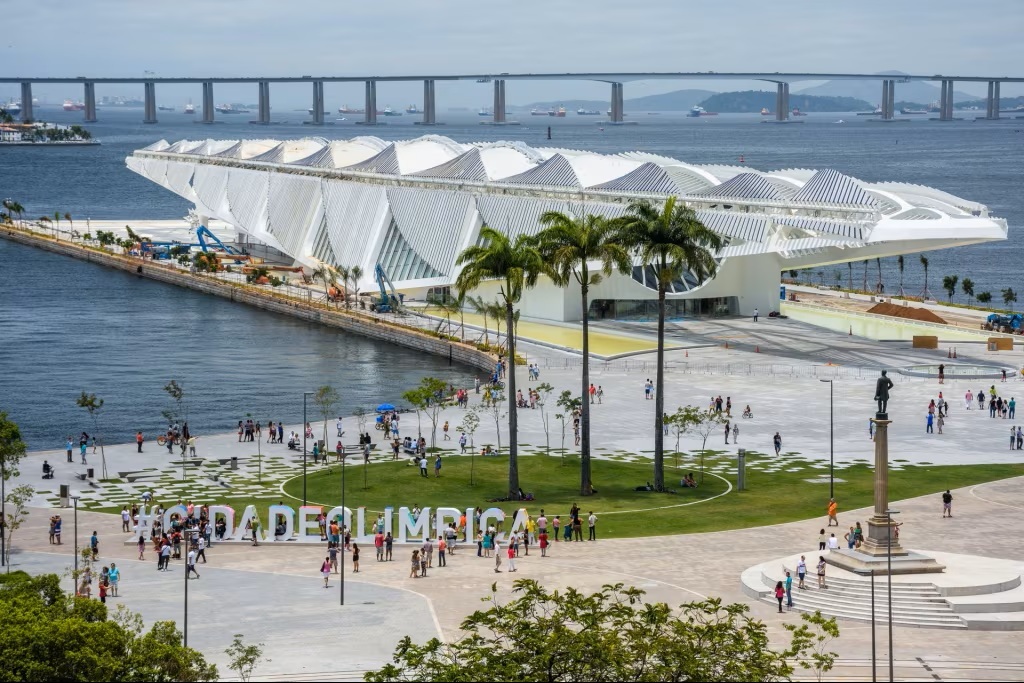
For first-time visitors, Rio de Janeiro is an obvious starting point.
The spectacular scenery includes Sugarloaf Mountain, Christ the Redeemer, sweeping Atlantic beaches such as Copacabana and Ipanema, forested hills and a dramatic urban coastline.
Rio’s samba, Carnival atmosphere, nightlife and famous landmarks give the city an energy that is difficult to replicate elsewhere.
São Paulo offers a different Brazil: a vast cosmopolitan centre celebrated for restaurants, museums, galleries, architecture, shopping and nightlife.
Salvador, meanwhile, immerses visitors in Afro-Brazilian culture, historic architecture, music, dance and Bahian cuisine.
Its historic streets, colourful buildings and Atlantic coastline create a distinctive cultural experience.
Nature lovers have even more reasons to travel.
The Amazon offers rainforest landscapes, rivers and extraordinary biodiversity.
Iguaçu Falls, on the Brazilian-Argentine border, presents one of the world’s great waterfall spectacles.
The Pantanal, one of the planet’s largest tropical wetlands, is renowned for wildlife.
Visitors can also explore Lençóis Maranhenses, where vast white sand dunes are punctuated by seasonal blue and green lagoons, while Chapada Diamantina provides dramatic mountains, caves, waterfalls and hiking opportunities.
Brazil’s tourism authorities describe these environments as major attractions for ecotourism and adventure.
Then there is Brazilian food.
Travellers can discover feijoada, a hearty black-bean and meat stew; acarajé, a fried black-eyed-pea delicacy associated strongly with Bahia; moqueca, a fragrant seafood stew; churrasco, Brazil’s celebrated style of barbecue; and countless regional fish, rice, cassava and tropical-fruit dishes.
Street markets and restaurants provide opportunities to experience Brazil through its flavours, while popular drinks include caipirinha, made traditionally with cachaça, lime and sugar, alongside fresh tropical juices and coffee.
Official tourism material highlights Brazil’s regional cuisines, street food, seafood and barbecue as central parts of the visitor experience.
Tourism is also an important employment engine. The World Travel & Tourism Council projected that Brazil’s Travel & Tourism sector would support about 8.2 million jobs in 2025, representing almost 8% of national employment, while contributing approximately US$167.6 billion to the economy.
Jobs extend far beyond hotels and tour operators, encompassing restaurants, transport, aviation, travel agencies, entertainment, culture, guiding, retail and other services.
Brazil’s Ministry of Tourism formally recognises accommodation, food, land and water transport, aviation, vehicle rental, travel agencies, culture and leisure among tourism-related employment activities.
Brazil is consequently more than a holiday destination.
It is a country where spectacular nature meets living culture, where historic traditions coexist with dynamic cities, and where every region offers something different.
For travellers seeking beaches, wildlife, food, music, adventure, heritage or simply unforgettable scenery, Brazil provides an enormous choice.
Its message to the world is straightforward: come for the landscapes, stay for the culture, and leave with memories of a country whose diversity is its greatest tourism asset.
– CAJ News