Now Reading: SA shifts towards flexible power
-
01
SA shifts towards flexible power

SA shifts towards flexible power
by TINTSWALO BALOYI
JOHANNESBURG – SOUTH AFRICA is prioritising 9,6 gigawatts of battery-storage and gas-to-power projects as it seeks to strengthen electricity security and create a more flexible energy system.
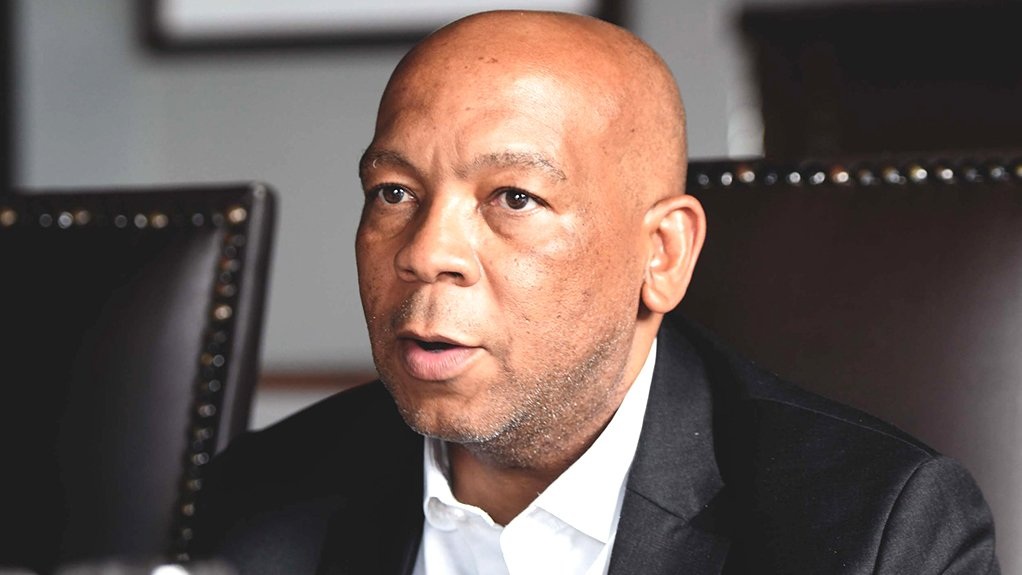
Electricity Minister Kgosientsho Ramokgopa said the government would prioritise the projects as part of its long-term energy strategy, according to Reuters.
The plan reflects South Africa’s changing electricity mix after years of power shortages and heavy dependence on ageing coal-fired generation.
Battery storage is increasingly being used globally to absorb surplus renewable electricity and release it when demand rises.
For South Africa, the technology could help address one of the central challenges created by the rapid expansion of solar and wind power: renewable generation is variable, while electricity demand continues throughout the day.
Large-scale batteries can store electricity generated during periods of high solar production and discharge it during evening peaks.
Gas-fired generation can provide another source of flexible electricity, particularly when renewable output falls.
The government’s combined approach therefore seeks to balance renewable-energy expansion with technologies capable of supporting grid stability.
The 9,6GW target forms is part of efforts to strengthen South Africa’s power infrastructure and ensure a more stable electricity supply.
The strategy comes after years of electricity shortages that damaged economic growth and increased operating costs for businesses.
Although the country has recently achieved greater stability in electricity supply, authorities remain concerned about the reliability of the ageing power system.
The transition also presents a major financial challenge.
South Africa needs substantial investment in transmission networks, renewable generation, battery storage and flexible generation.
The country’s electricity demand is expected to rise as industries electrify and new economic activity develops.
Battery storage could become particularly important as renewable projects expand.
South Africa has some of the best solar resources in the world, while its coastal regions have substantial wind potential.
However, renewable projects increasingly require grid connections in areas where transmission capacity is limited.
The government therefore faces a parallel infrastructure challenge: building enough transmission capacity to connect new generation to demand centres.
Gas-to-power projects have generated debate because natural gas is a fossil fuel, although proponents argue that gas can support the transition by providing flexible generation while coal plants are retired.
Environmental groups are likely to scrutinise new gas investment because of concerns over long-term emissions and the risk of creating stranded assets.
The government must therefore balance energy security, affordability and climate commitments.
For South Africa, the immediate priority remains reliable electricity.
The proposed storage and gas projects indicate that policymakers increasingly view flexibility as essential to the next phase of the country’s energy transition.
If successfully implemented, the programme could also provide a model for other African countries seeking to integrate large quantities of solar and wind power into relatively weak electricity grids.
– CAJ News