Now Reading: Crumbling highway chokes Matabeleland North tourism growth
-
01
Crumbling highway chokes Matabeleland North tourism growth

Crumbling highway chokes Matabeleland North tourism growth
by MELUSI MHLANGA
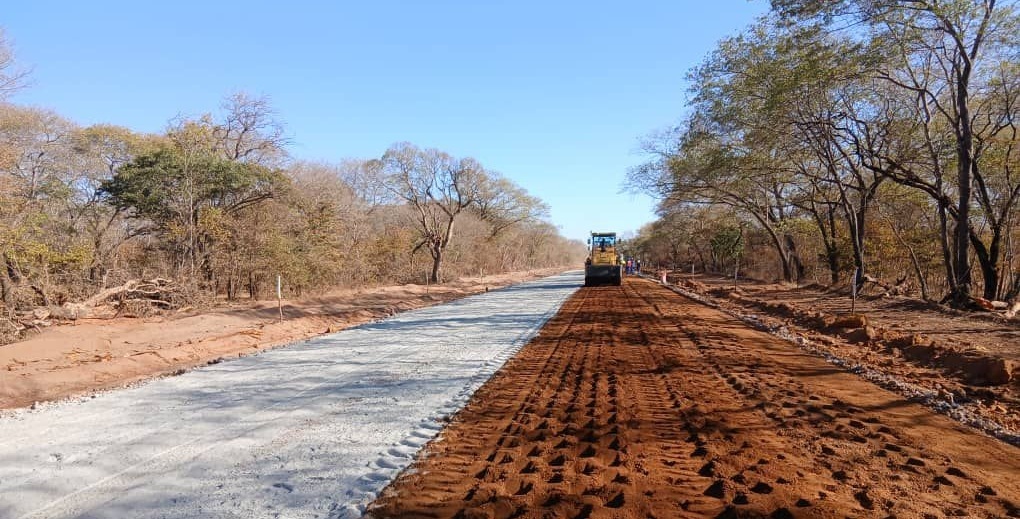
BULAWAYO – MATABELELAND North continues to bleed tourism and hospitality revenues as the deteriorating Bulawayo–Victoria Falls highway discourages both international and domestic travellers from using one of Zimbabwe’s most strategic tourism corridors.
Once a proud gateway linking the country to regional markets, the highway has become a symbol of missed opportunities for tour operators, hotels, resorts and thousands of job seekers in the province.
The 435km road is the main artery connecting Bulawayo to Victoria Falls, Hwange National Park and border routes to Botswana, Zambia, Namibia and South Africa. Yet its poor state – riddled with potholes, dust sections, roaming animals and long delays – has pushed many visitors to divert through Botswana and Zambia, even though their final destination remains Victoria Falls in Zimbabwe.
The result is that Matabeleland North loses foreign currency spending that would have been injected into communities along the route.
Local tourism players say the impact is devastating.
Tour operators lose overland bookings, self-drive tourists avoid the route, and hotels and lodges in Hwange, Dete, Lupane and surrounding areas record low occupancy rates.
Popular attractions such as Hwange National Park, Binga on Lake Kariba, Tsholotsho cultural sites, the Deka Safari Area and community-based tourism projects are missing out on high-value international visitors who would normally stop, spend and explore.
The Hospitality Association of Zimbabwe has repeatedly complained that “road infrastructure is as important as marketing in tourism,” while transport operators warn that vehicle damage, tyre bursts and suspension failures make the route commercially unviable.
Truck drivers’ associations have also noted that they now prefer regional routes via Botswana, further reducing traffic volumes that sustain roadside businesses.
When fully rehabilitated, the highway could unlock enormous benefits.
Local tour operators would design multi-stop packages linking Bulawayo, Hwange, Binga and Victoria Falls. Hotels, lodges and resorts would see improved occupancy, encouraging reinvestment and expansion.
Ancillary services – car hire, fuel stations, curio markets, restaurants and guiding services – would thrive, creating desperately needed jobs for youths and women in Matabeleland North.
Beyond tourism, other sectors would benefit significantly.
Mining, agriculture and retail trade would enjoy cheaper and faster logistics.
Cross-border trade would increase, boosting customs revenues. Improved road safety would reduce accidents and vehicle maintenance costs, while communities along the corridor would gain better access to health, education and markets.
Failure to act, however, carries national consequences. Zimbabwe risks surrendering its competitive edge as a regional tourism hub, allowing neighbouring countries to capture spending on accommodation, fuel and activities, while Zimbabwe only receives a fraction at the destination.
The economic leakage undermines Vision 2030 aspirations and deepens regional inequality.
Government officials have acknowledged delays, citing funding constraints, foreign currency shortages and the decision to adopt a “public-private partnership and section-by-section contracting model” as reasons rehabilitation has taken longer than planned.
The Ministry of Transport has insisted that works by contractors such as Fossil Contracting, Masimba Holdings and others will accelerate.
For Matabeleland North, the stakes are clear: a functional Bulawayo–Victoria Falls highway is not just a road, but a lifeline to tourism growth, jobs and inclusive economic recovery.
– CAJ News