Now Reading: Discover Cape Verde now
-
01
Discover Cape Verde now

Discover Cape Verde now
by LIVEIRA MONTEIRO
PRAIA – NESTLED in the central Atlantic Ocean, Cape Verde lies off the west coast of Africa, approximately 570 kilometres from Senegal.
This island nation is made up of ten volcanic islands and several islets, forming part of the Macaronesian region alongside the Azores, Madeira and the Canary Islands.
Though geographically separated from mainland Africa, it is firmly African in spirit, culture and rhythm.
The country offers a rare blend of African, Portuguese and Creole influences, making it one of the continent’s most distinctive and appealing tourism destinations.
Tourism in Cape Verde thrives on its natural diversity and year-round sunshine. What makes it tick is its simplicity combined with authenticity: untouched beaches, dramatic volcanic landscapes, warm hospitality and a relaxed island lifestyle.
Unlike heavily commercialised destinations, Cape Verde offers space, tranquillity and genuine cultural immersion.
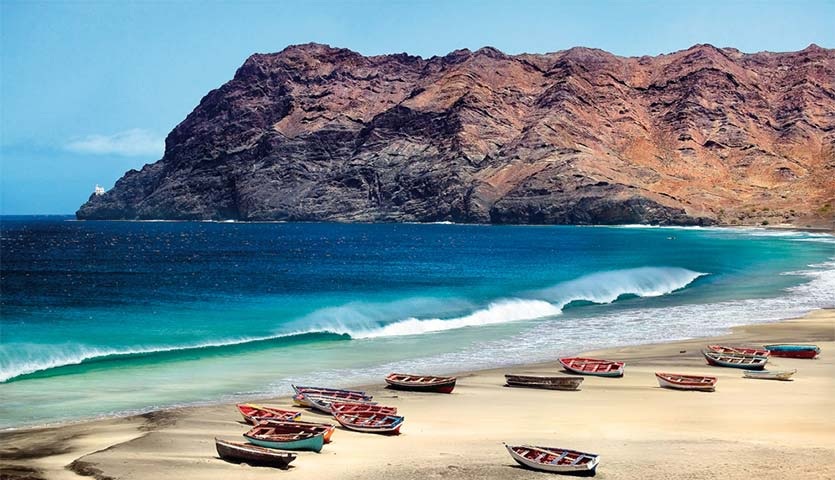
Visitors are drawn first and foremost to its extraordinary scenery. On the island of Sal, wide stretches of golden sand and turquoise waters create a paradise for sunseekers and watersport enthusiasts, particularly in Santa Maria.
Boa Vista, often described as the “desert island”, captivates with vast dunes and long, empty beaches that seem to stretch into infinity.
On Santiago, the largest island, travellers encounter lush valleys, mountain ridges and the historic capital city of Praia, which offers a vibrant urban contrast.
Meanwhile, Fogo island is dominated by an active volcano, Pico do Fogo, where dramatic lava fields and crater villages create one of the most striking landscapes in West Africa.
Key tourist destinations include Sal Island, Boa Vista Island, Santiago Island, Praia, and Mindelo on São Vicente.
Each offers a different personality: Sal and Boa Vista for beaches and relaxation, Santiago for culture and history, Praia for urban life, and Mindelo for music, nightlife and artistic expression.
What truly makes Cape Verde irresistible is its cultural heartbeat. Music is everywhere, especially morna and coladeira, genres that reflect both joy and saudade—a deep emotional nostalgia.
Streets, bars and festivals often come alive with live performances, inviting visitors to experience the soul of the islands rather than simply observe it.
Cape Verdean cuisine is another major attraction. Fresh seafood dominates menus, with dishes such as grilled tuna, lobster, and octopus stew being particularly popular among visitors.
The national dish, cachupa, is a slow-cooked stew made with corn, beans, vegetables and fish or meat, symbolising the country’s culinary identity.
Street food such as pastel (fried pastry filled with fish or meat) offers quick, flavourful bites for travellers on the move.
Drinks are equally enticing, with grogue, a locally distilled sugarcane spirit, standing out as the most iconic beverage. Locally produced wines from Fogo’s volcanic soil also surprise many visitors with their richness and character.
Tourism is a vital pillar of the Cape Verdean economy and one of its most important job-creating sectors. It provides employment across hospitality, transport, guiding services, fishing supply chains, construction and cultural industries.
Many local communities benefit directly through small guesthouses, family-run restaurants and artisanal markets.
The sector has also encouraged infrastructure development, including improved airports, roads and coastal facilities, helping to connect the islands more efficiently and support sustainable growth.
Beyond beaches and scenery, Cape Verde offers experiences such as whale watching, hiking volcanic peaks, kitesurfing in world-class conditions, and exploring UNESCO-recognised heritage towns like Cidade Velha on Santiago.
The climate remains warm and sunny throughout the year, making it an ideal destination for travellers seeking a reliable escape from colder climates.
In essence, Cape Verde is not just a destination—it is an experience of rhythm, nature and warmth.
Its combination of breathtaking landscapes, rich cultural traditions, welcoming people and growing tourism infrastructure ensures that it continues to rise as one of Africa’s most captivating island escapes.
For travellers seeking both adventure and relaxation, Cape Verde promises memories that linger long after the journey ends.
– CAJ News